


Spousal Support Lawyer in Columbus
Serving Families Since 1989 With Clear Spousal Support Guidance
At Haynes Kessler Myers & Postalakis, we help people in the Columbus area understand how Ohio spousal support works and what it could mean for their future. Whether you expect to pay support or rely on it to cover your basic expenses, you deserve clear, realistic advice before you make any decisions.
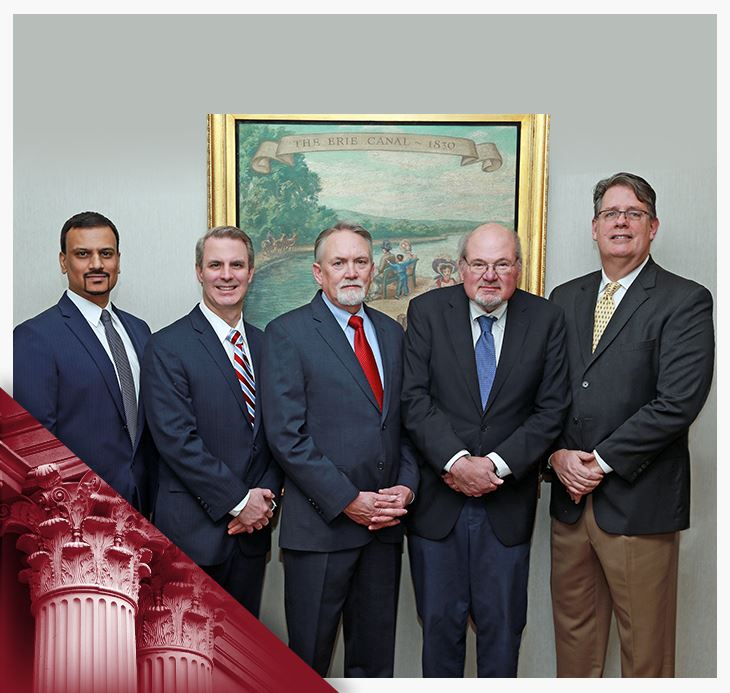
Our firm has served families since 1989, and our attorneys bring more than 150 years of combined legal experience. We draw on that experience to evaluate your situation and explain how Ohio law applies to your options.
Call (614) 892-9909 or contact us online to talk with our spousal support team serving Columbus.
Board-Certified Family Law Guidance
When you’re selecting an alimony lawyer, you’re trusting someone with the financial framework of the next phase of your life. You need more than forms and formulas. You need a team that understands Ohio support law and how to present your financial circumstances clearly.
We keep our staff size manageable so clients aren’t passed from person to person. You work directly with our attorneys and our small support team, and you receive prompt communication instead of layers of bureaucracy. We rely on current legal research and technology to evaluate income, benefits, and expenses carefully, which can be important in cases that involve multiple income sources, bonuses, or business interests.
S. Scott Haynes is Board Certified in Family Law by the Ohio State Bar Association and is an AAML Fellow. Our firm also holds an AV Preeminent Peer Review Rating from Martindale-Hubbell. These credentials reflect sustained peer recognition and focused family law experience that we bring to financially significant support disputes.
How Ohio Courts Decide Spousal Support
Ohio Revised Code Section 3105.18 allows a court to award reasonable spousal support in a divorce or legal separation. The court first determines whether support is appropriate and reasonable, then considers its amount, terms, and duration. Ohio doesn’t use a single universal formula, so the analysis depends on the evidence and circumstances of each marriage.
Spousal support is separate from property division or a distributive award. Ohio law generally requires the court to divide marital property before awarding reasonable spousal support. When evaluating support, the court also considers each spouse to have contributed equally to the production of marital income.
Ohio’s statutory factors include:
- Income from all sources, including income produced by divided property
- Relative earning abilities of each spouse
- Age and physical, mental, and emotional health
- Retirement benefits available to each spouse
- Duration of the marriage
- Work limitations related to caring for a minor child
- Standard of living established during the marriage
- Education of each spouse
- Relative assets and liabilities, including court-ordered payments
- Contributions to the other spouse’s education, training, or earning ability
- Time and expense needed to obtain education, training, or employment
- Tax consequences of a support award
- Lost income-producing capacity caused by marital responsibilities
- Any other factor the court finds relevant and equitable
Franklin County Spousal Support Proceedings
The Franklin County Court of Common Pleas Domestic Relations Branch handles divorce, dissolution, legal separation, and annulment matters. Filing requirements, hearing procedures, financial disclosures, and existing court orders can affect how a support request is presented. We help clients prepare for the applicable process without relying on unsupported assumptions about how a particular judge may rule.
How We Build Your Spousal Support Case
To make the most of your first consultation, it helps to:
- Gather recent pay stubs, tax returns, and benefit information
- List your regular monthly expenses and any unusual costs
- Bring court documents from any existing divorce or support case
- Think about your short-term and long-term financial goals
During our first conversation, we take time to understand your broader family situation, not just the numbers on a page. We ask about your work history, the roles each spouse has played in the household, and any health concerns or caregiving responsibilities that affect your ability to earn. That context lets us tailor our strategy to the realities of your life rather than relying on assumptions. We then explain how Ohio law applies to your facts in plain language so you know what a court may consider reasonable.
As your case moves forward, we gather and organize financial information in a way that helps the court or the other side see the full picture. That can include reviewing tax information, bank and retirement statements, employment agreements, bonus structures, business income, and recurring expenses. We also document relevant housing costs, medical expenses, childcare responsibilities, benefits, debts, and periods spent outside the workforce.
Earning capacity can become disputed when current wages don’t reflect a spouse’s education, skills, work history, available employment, or business interests. We evaluate the available records and identify where additional information may be needed. This financial review helps us prepare a support position grounded in documented income, expenses, and marital circumstances.
Depending on your priorities, we can pursue negotiation, mediation, collaborative divorce, or court representation. S. Scott Haynes is trained in domestic mediation and collaborative divorce. We explain the level of privacy, control, cost, and court involvement associated with each path so you can make an informed decision.
Types of Spousal Support in Ohio
Temporary spousal support may be requested while a divorce or legal separation is pending. A temporary order can address financial needs while the case proceeds, including the parties’ income, benefits, debts, housing costs, medical expenses, childcare responsibilities, and existing child support obligations. The temporary arrangement doesn’t necessarily determine the terms of the final award.
Support in a Final Decree
Some support arrangements are intended to bridge a shorter transition. For example, a court may order support for a limited period so a spouse can complete training, update professional licenses, or re-enter the workforce after years at home with children. Other arrangements may last longer when factors such as health, age, marriage duration, earning capacity, or extended absence from the workforce support a different structure.
Support can also be paid in different ways. In many cases, payments are made in installments and may be withheld from wages. In other situations, the parties may negotiate a lump-sum arrangement or another structure permitted by the court as part of the overall divorce resolution. We explain how proposed terms could affect cash flow, taxes, enforcement, and long-term planning without assuming that one structure fits every family.
Spousal Support & Property Division in Columbus Cases
Ohio law generally starts with an equal division of marital property unless an equal division would be inequitable, in which case the court may make an equitable division. When we evaluate your case, we consider how different settlement proposals allocate property, debt, and monthly support. For example, one spouse may want to keep the marital home while negotiating a different support or property structure to account for the costs and assets involved.
We also pay attention to how property and support decisions can play out over time. Choices about keeping a house or dividing retirement accounts can affect your ability to meet future expenses and qualify for financing or housing. We help you think through practical questions, such as whether you can afford taxes, insurance, and maintenance on a home after support ends, or how a particular support amount may interact with your budget once child support changes.
Spousal Support Modification & Enforcement
An Ohio court generally can’t modify an existing spousal support award unless the decree or incorporated agreement specifically reserves jurisdiction to do so. When modification authority exists, the requesting party must establish a qualifying substantial change in circumstances that makes the existing award no longer reasonable and appropriate. Changes may involve wages, salary, bonuses, living expenses, medical expenses, or other financial circumstances, depending on the statutory requirements and the language of the order.
A support award generally terminates upon the death of either party unless the order expressly provides otherwise. Other termination events may be established by the decree or agreement, so the exact wording matters. We handle post-decree family law matters, including requests to modify existing support arrangements.
When required payments aren’t made, enforcement options may include withholding procedures, a motion to show cause, contempt proceedings, or other remedies authorized by law. We review the existing order, payment history, and available records before recommending a course of action.
Plan Your Next Step with Our Columbus Family Law Team
Questions about alimony and spousal support can make an already difficult time feel even more uncertain. You don’t have to sort through Ohio law and complex financial issues on your own. Our attorneys explain how Ohio law applies to your finances so you can make informed decisions about your future.
Since 1989, Haynes Kessler Myers & Postalakis has guided people in the Columbus area through divorce, support, and other family law matters. We work to provide clear communication, thoughtful analysis, and practical strategies tailored to your circumstances.
Call (614) 892-9909 to schedule a consultation with our Columbus spousal support attorneys and discuss your next steps.

-
“I could not have asked for a better lawyer.” - Lindsay T.
-
“Fazeel explained each step of the process in a way I could understand.” - Rusty R.
-
“Then all you need to do is get yourself finger printed for the background check and 10-12 week later you should have your permit. Thanks, Marc!” - Ricky B.